
by Dr Mridul Agarwal
Fetal Echocardiography
Expert fetal cardiac care. Honest answer. From scan to birth.
Find out how fetal echocardiography can help you diagnose and manage congenital heart defects, monitor fetal well-being, and early detection facilitates prognostication and personalised management and allows an informed decision to parents

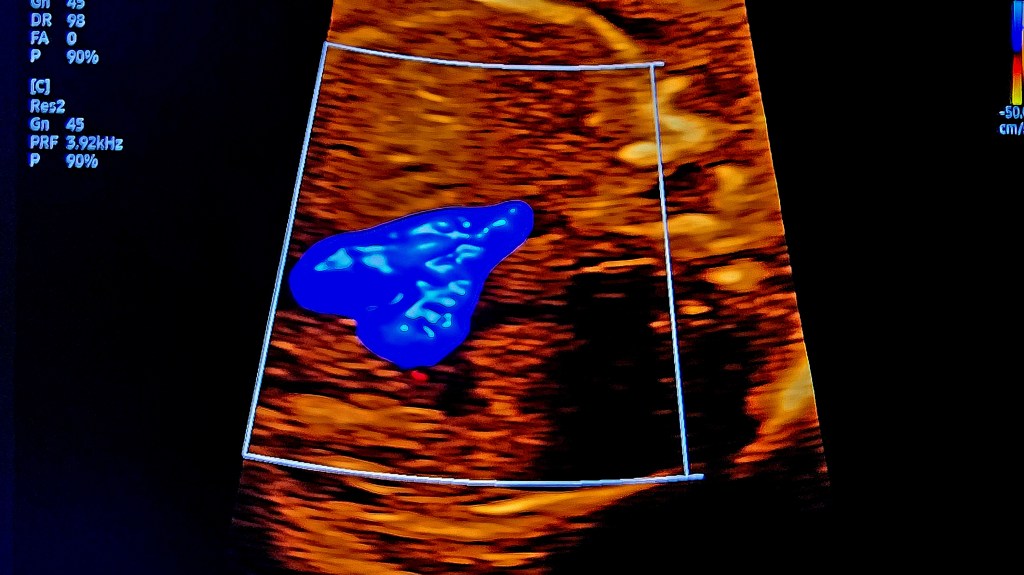
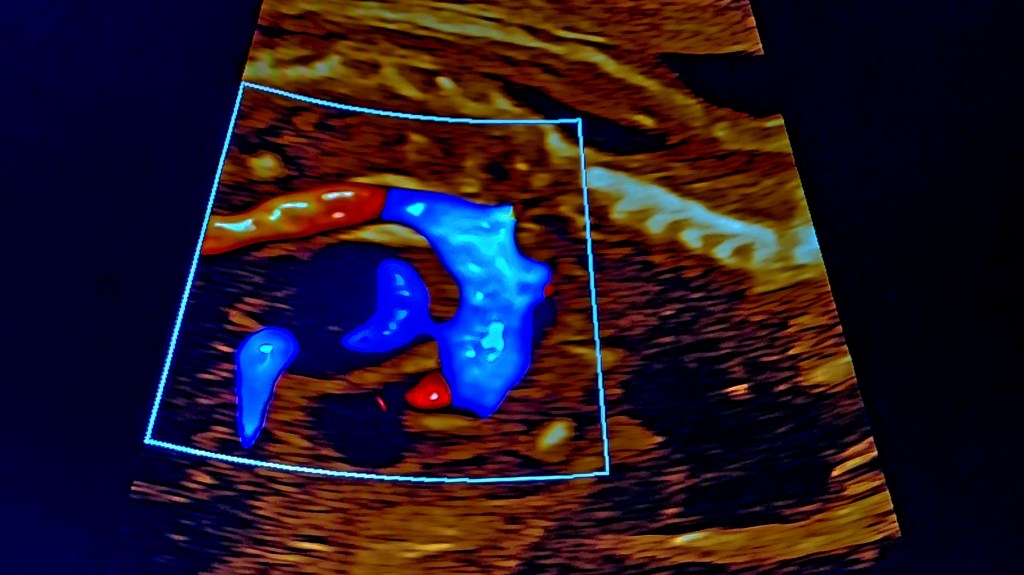
Why Fetal Cardiac Care?

Interdisciplinary Experts
You are not alone in this
When something is found on your baby’s scan, you need more than one doctor. You need a team that talks to each other — fetal heart specialists, surgeons, geneticists, neonatologists, and your obstetrician — all working together for your baby.

Cutting-Edge Diagnostics
Not every hole in the heart is serious
We use the most accurate methods available to carefully and completely examine your baby’s heart. We tell you exactly which findings matter — and which ones you can stop worrying about tonight.

Patient-centric Approach
We care until the baby is in your arms.
From the moment something is found on the scan, through delivery and those first precious days — we are with you at every step, with honest answers at every turn.


Expert Library:
Integrating Advanced Echocardiography Into Everyday Fetal Practice

After the Diagnosis: A Practical Approach to Managing Fetal Umbilical–Portal–Systemic Venous Shunts
You’ve identified an absent ductus venosus (ADV) or an aberrant intra-abdominal venous channel on fetal ultrasound. What happens next? While classification systems (Achiron et al.) tell us *what* the shunt is, clinicians often face a major gap in the literature regarding *how to manage the pregnancy after the diagnosis


Contemporary Pathophysiology of Autoimmune Fetal Heart Block: Antigen Divergence, Embryological Vulnerability, and Evidence-Based Management
An expert review of autoimmune fetal congenital heart block: Ro60 vs Ro52 nomenclature, the 16–24 week vulnerability collision, dual channelopathy vs fibrotic cascades, and multi-society management guidelines.

The Fetal Heart, by the Numbers
The fetal heart moves through a real timeline, not a fixed diagram: preload shifts from the foramen ovale to the lungs by 30 weeks, the ductus venosus carries less blood than sheep teaching suggests, and new MRI data now proves directly, in humans, that the left heart runs on richer blood than the right.

Systematic Approach to Fetal Ductus Venosus Assessment: The 5-Step Sonographic Sequence
MA Dr. Mridul Agarwal, MD, FNB (Pediatric Cardiology) Senior Consultant, Pediatric Cardiac Sciences | Sir Ganga Ram Hospital, New Delhi Standard: ISUOG Stepwise Sonographic Sequence ⚡ Ductus Venosus Acquisition: Rapid Technical Checklist Sonographer Quick Reference 📐 Best Plane & Angle Midsagittal (Angle < 30°) True sagittal view of fetal trunk. Keep Doppler beam strictly aligned…

Fetal Cardiac Function Assessment
Fetal cardiac function does not follow adult rules and missing that distinction is where assessments go wrong. This post covers a systematic 4-pillar approach to fetal cardiac function assessment: systolic function, diastolic filling, the MPI/Tei Index, and venous Doppler, with the CVP Score, an 8-step scan protocol, and the full hierarchy of cardiac compromise from…

High Cardiac Output in the Fetal Heart
When the fetal heart is asked to pump five times its normal output, it is not diseased – it is drowning in volume. This article covers the recognition, echo-based monitoring, and gestational-age-specific management of high cardiac output states in the fetus, including AV malformations, sacrococcygeal teratoma, and placental chorioangioma. With a practical CCO threshold framework,…

Leading the Way: Pioneering Research for Optimal Fetal Cardiac Care
Committed to advancing fetal cardiac care, we actively engage in cutting-edge research to ensure the delivery of the most up-to-date and optimal treatment options

Where to find us
Our department is recognised for pioneering advancements in fetal cardiac care that offer hope and inspiration. We are dedicated to developing innovative solutions that prioritise both the well-being of our tiny patients and the environmental impact of our procedures within the hospital.
Address:
Dr Mridul Agarwal, Pediatric And Fetal Cardiac Care, F 57, Sir Ganga Ram Hospital, Rajender Nagar. New Delhi. India. 110060
Telephone:
+91 9873850421; +91-11-42251757
Email:
drmridul@hotmail.com
For Patients & Delhi Appointments
If you are an expectant parent referred for a fetal echocardiogram, you can schedule a direct consultation with Dr. Mridul Agarwal at Sir Ganga Ram Hospital or Bedi Ultrasound (Delhi).
Visit our dedicated patient portal at fetalecho.in for preparation guides and FAQs.