
Atria Ectopics
Of all the arrhythmias diagnosed during pregnancy, the Atrial Premature Complex (APC) or Atrial ectopics represent 90 % and mostly reported as missed beats. Premature contractions are easily detectable by any modality of fetal screening and diagnosis of missed fetal beats is not uncommonly made during fetal auscultation. APCs are self-limiting and hemodynamically not significant, and overall ventricle rates are in normal range.
In less than 2–3%, a fetal tachyarrhythmia develops requiring management. If APC is frequent which is more than 6 per minute, a weekly follow up plan should be made. USG can do the fetal heart rate monitoring or even by auscultation to detect fetal tachycardia. Fewer APC has shown even less chance of tachycardia thus additional fetal cardiac monitoring is usually not recommended. Maternal intake of cardiac stimulant is discouraged as well as the assessment of thyroid status.
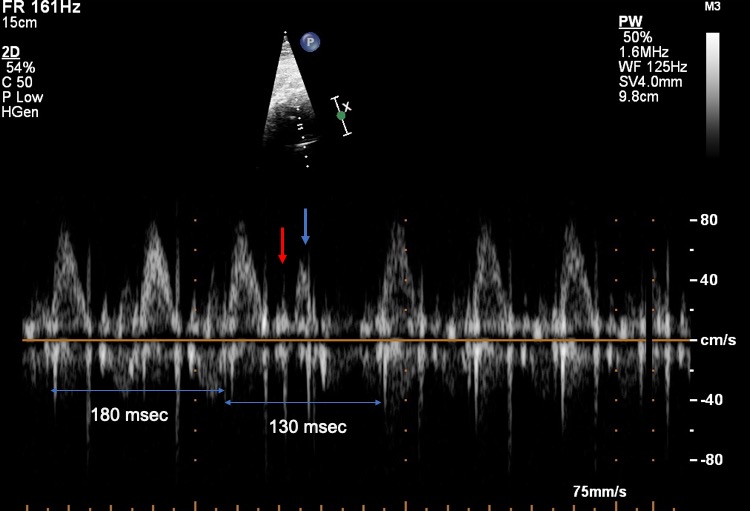
After delivery, assessment of the neonate is done for presence or absence of ectopics, the morphology of ectopics as well as frequency. All these factors decide the need and line of management. Most of the ectopics present in neonatal age are self-limiting and tend to disappear with age.
Ventricular Ectopics
Ventricular ectopic beats more infrequent than atrial ectopic beats and can be identified on fetal echocardiography by the absence of atrial systole before ventricle systole and by the absence of SA nodal reset. The majority of ventricular ectopic beats resolve spontaneously without treatment. Frequent ventricular ectopic beats and the presence of malignant pattern would warrant a heart rate monitoring to ensure that they are infrequent and that there are no episodes of sustained ventricular arrhythmias.
 Fetal Cardiac Care